

Michal Prouza has been with Kinský dal Borgo for over a quarter of a century. Over that time, he worked his way up from simple gamekeeper to pheasantry manager, then operations inspector up to a top managerial position in the company. Today, together with his team and the Kinský dal Borgo family, he decides what the Kinský forests will look like decades—even centuries—from now. In this interview, the Director of Forestry at Kinský dal Borgo a.s., Ing. Michal Prouza, shares how the company has evolved during his long career and what challenges lie ahead.
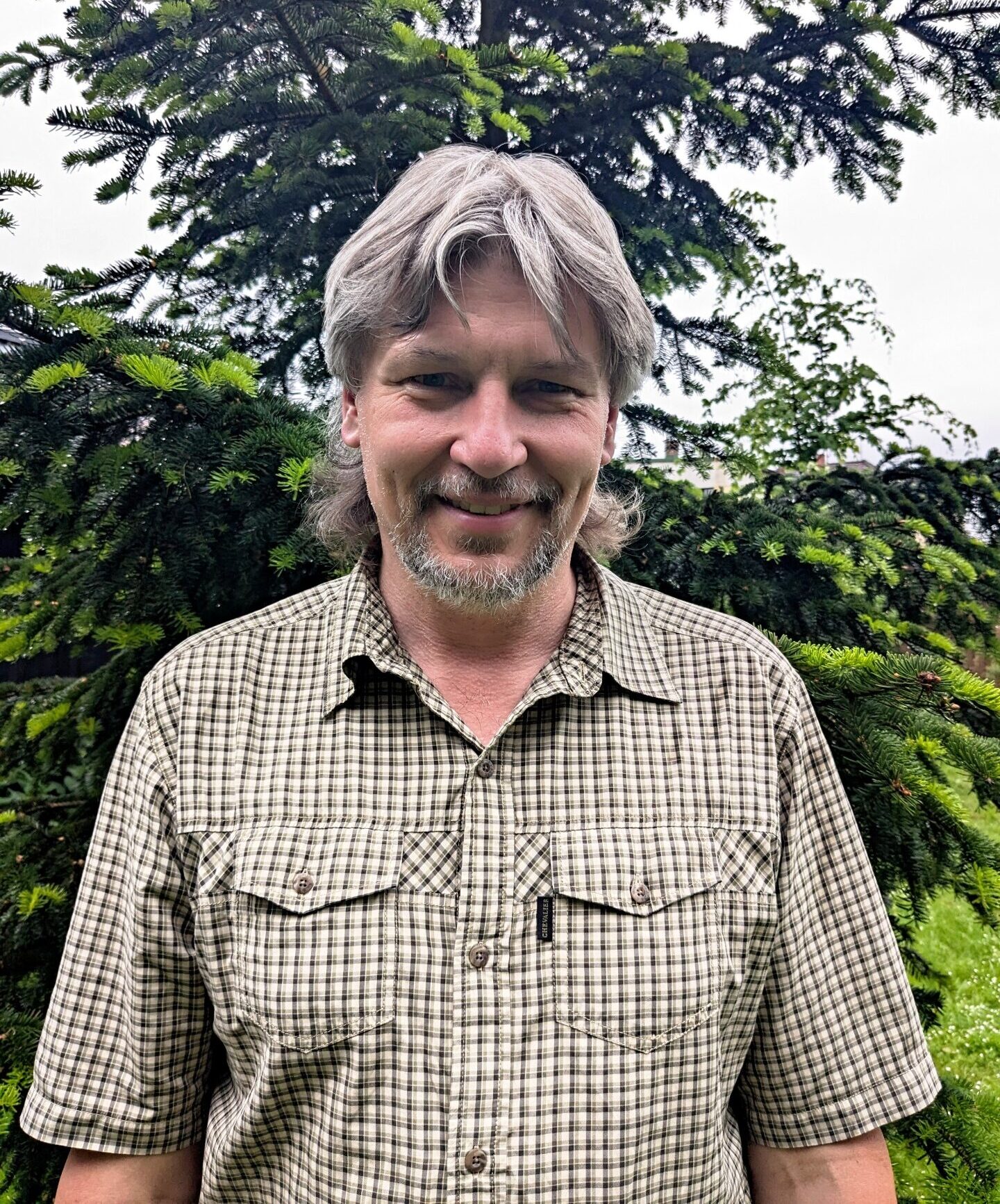
Twenty-five years is a long time. How do you look back on your work in the company so far?
I started working for the Kinský dal Borgo family immediately after military service in 1999 as a forest ranger. Two years later, I moved to the Luhy pheasantry, where I spent 10 years. During that time, I also began working as an operations inspector, a position I held until 2022. In 2023, I was appointed Director of Forestry. Looking back, I enjoyed all of these roles. I like creative work—analyzing and solving problems. For that reason, being an operations inspector probably suited me best.
As a director, you now spend much more time in the office. Do you miss the forest?
Even the forest needs an office to function. But yes, I’d like to get back into the field more over time. Fortunately, the role of Forestry Director also includes being the professional forest manager. That is the pinnacle of creativeness in forestry — it allows you, directly or through colleagues, to shape what the Kinský forests will look like for decades or even centuries from now.
What has improved over the years, and where are the gaps?
I didn’t experience the immediate post-restitution period, so I entered when things were already running quite well, thanks to my predecessors. But a lot has changed. We experienced several calamities — mainly windstorms in 2001, 2007, and 2010. We were also heavily impacted by the bark beetle infestations and drought between 2017–2021. Positively, I see how we managed to overcome all these crises while setting up a new trend in management. We moved towards a close-to-nature forestry management, relying more on the potential of our own stands and their natural regeneration. We also quickly built a capable team in both forest management and processing at the sawmill. They are the heart of the system — without them, nothing would work. The weakness I see is that not enough young people are entering forestry. The work is specific, demanding, and not particularly well-paid compared to other fields.
Ecology is a hot topic, and new regulations also affect forestry. How do environmental rules shape your work?
A forester, in our view, isn’t just a wood producer but also a broad expert — and in essence, firstly an ecologist. At Kinský dal Borgo, about a third of the estate is under some form of nature protection — whether Natura 2000, natural monuments, reserves, or the Český ráj Protected Landscape Area. That creates some restrictions, but we manage responsibly within them.
You mentioned the EU’s Natura 2000 network. What does it mean in practice?
First, it is a recognition that foresters have taken such good care of these areas for centuries that they deserve protection today. But I know what you mean (laughs). The restrictions are mostly administrative. It depends on what’s being protected.
For example, around Chlumec nad Cidlinou, mainly oak stands are protected, because they host special habitats, including the protected stag beetle (Lucanus cervus). In these areas, restrictions aren’t too strict — the key is not to damage its habitat. That means, for instance, we can’t use heavy machinery there. The beetle develops in stumps and decaying roots.
How much land does the Kinský dal Borgo company manage, and what types of forests are dominant?
In total, the company owns just under 8,200 hectares of forest, plus we provide professional management for 304 hectares of municipal forest for the city of Lázně Bohdaneč.
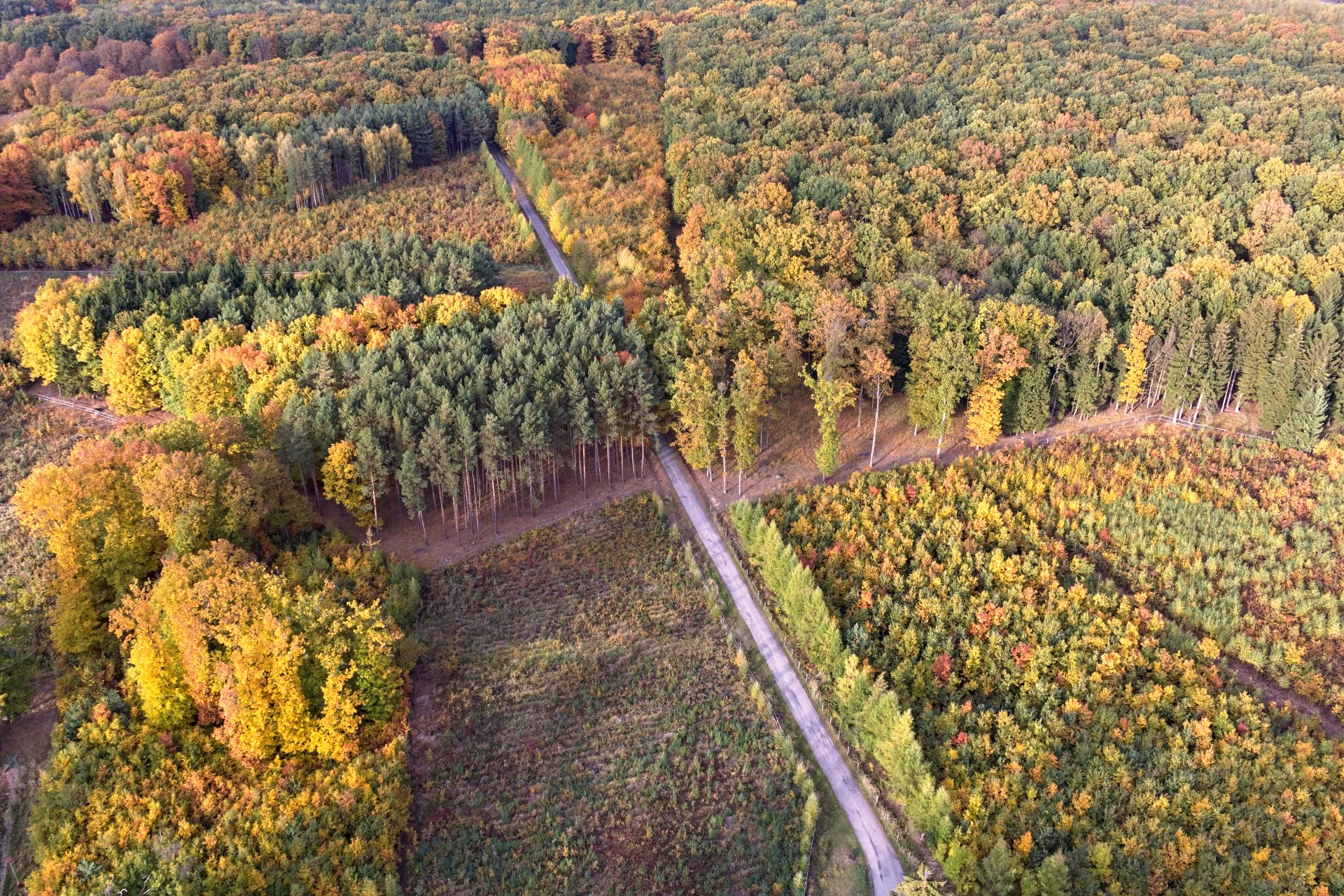
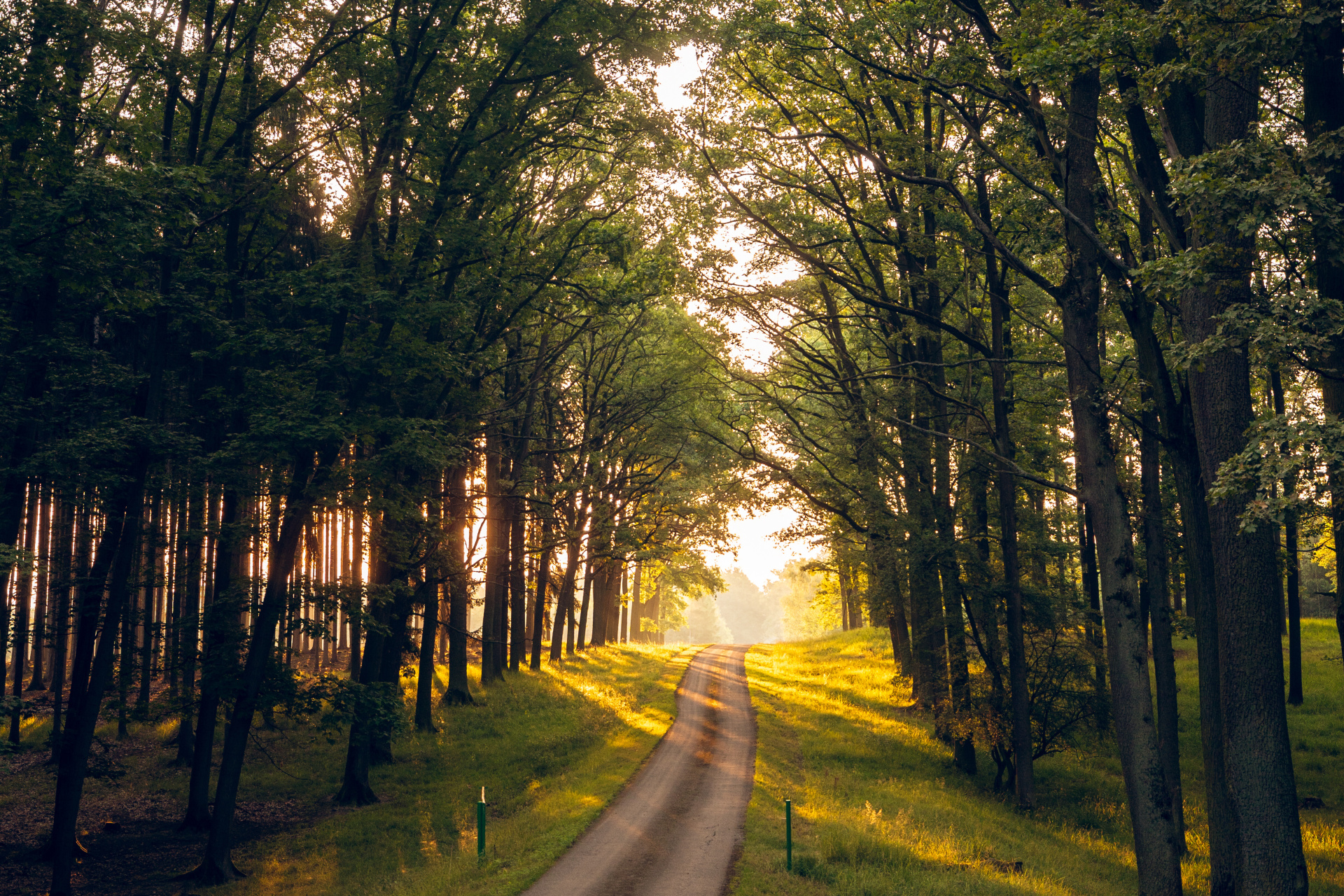
Most of our land is around Chlumec, but we also manage estates around Kost Castle and the newly acquired Holovousy forest district (LHC). This means we operate in very different environments — from the flat lowlands of Polabí, through the slopes of the Hořický Ridge, to the sandstone areas of Český ráj.
The bark beetle significantly changed the species composition of our forests over the years. Today, oak and pine dominate, making up about 80 % of all stands. The rest is a very diverse mix of other tree species.
Forest management also includes gamekeeping. How many hunting grounds do you oversee?
We manage 10 hunting grounds of our own, plus one leased in the Austrian Alps. In the Obora Kněžičky Game Reserve, we keep fallow deer and mouflon, and recently we’ve introduced sika deer (Dybowski’s). Elsewhere, roe deer and wild boar are dominant.
You started as a forest ranger. How did you come to hunting?
My grandfather introduced me to it as a small boy. Thanks to him, I went to forestry high school. Over time, my view evolved, and today I see hunting as an inseparable part of landscape management. Game is part of the ecosystem, so for me, a forester’s work also includes the care and management of wildlife.
What’s your personal view of a hunter’s role?
A hunter should first and foremost be an expert, caring for game as an integral part of the landscape. We must look at game and hunting care through their biological needs and always remember that wildlife and the landscape belong together. That’s the goal of modern hunting.
The Kinský family were pioneers in hunting centuries ago. Do their traditions still hold today?
Absolutely. The company keeps this legacy alive and continues it. We strive to make Kinský hunting a model for others.
Since 2002, the company has also owned a sawmill. What products do you focus on?
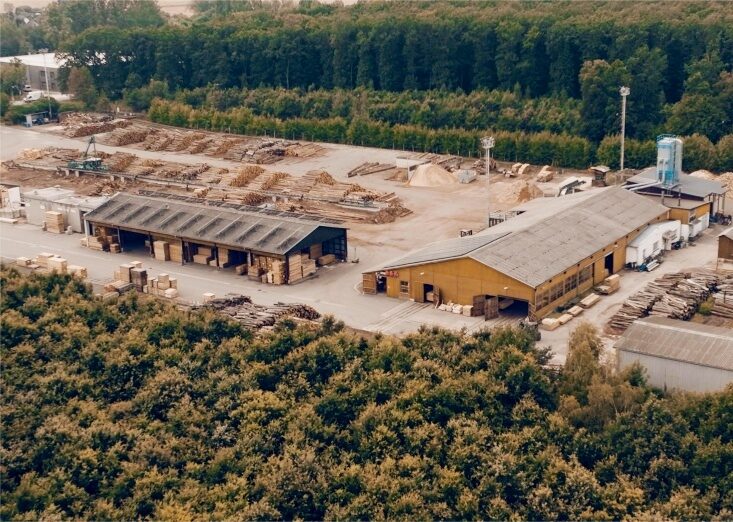
Roughly a third of the harvested wood is processed at our sawmill. We cut nearly everything our customers request, but our core product is oak lumber and products made from it. That gives us a significant advantage and economic potential in the national context. Currently, our biggest challenge is upgrading the sawmill technology. The existing one is outdated, inefficient, and at the end of its service life.
What are your future plans as Director of Forestry?
In the short term, to successfully implement our new internal system together with the team. In the medium term, to modernize the sawmill technology. In the long term, my goal is to pass the estate on — to both the descendants of the Kinský dal Borgo family and our future colleagues — in at least the same condition, but ideally better, than we inherited it.
That would make me very happy, because as the saying goes: what we manage today, is what we have been borrowed not given.